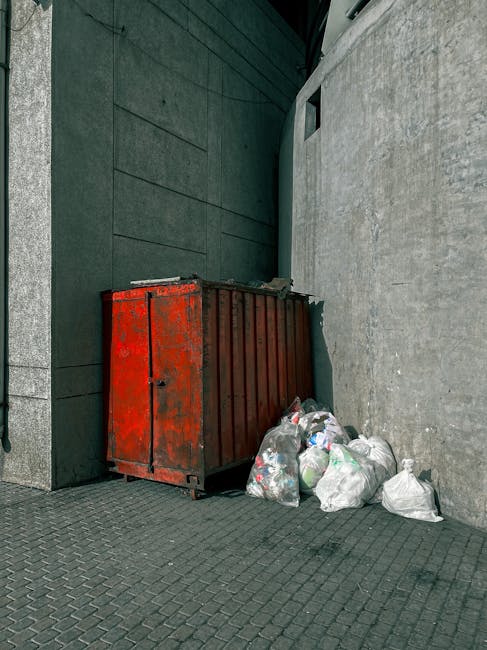
Council rules for bulky rubbish disposal Lewisham SE13: what residents actually need to know
If you have a broken wardrobe in the hallway, an old mattress leaning against the wall, or a sofa that has somehow become heavier than it looks, you are not alone. Plenty of people in SE13 start by searching for Council rules for bulky rubbish disposal Lewisham SE13 because they want the job done properly, without fines, confusion, or a pile of rejected items sitting on the pavement. Fair enough, too.
This guide explains how bulky waste rules usually work in Lewisham, what councils typically allow, what they often refuse, and how to choose the cleanest route for your situation. We will keep it practical. No fluff, no mystery, and no overcomplicated waste jargon unless it genuinely helps.
By the end, you should know when council collection makes sense, when it does not, and what a sensible alternative looks like if you need speed, flexibility, or help with a bigger clear-out.
Why Council rules for bulky rubbish disposal Lewisham SE13 matters
Bulky rubbish is one of those things people underestimate until it is sitting in the way. A single item can block a hallway, make a move-out harder, or create a safety issue if children, older residents, or tenants need to get past it. In Lewisham SE13, the rules matter because bulky items are not treated like normal household waste.
That distinction is important. A black bag, food packaging, and small everyday rubbish usually follow a different collection route from a sofa, table, bed frame, or appliance. Councils tend to set conditions around what can be collected, how items must be presented, and what is excluded altogether. Miss those conditions and the collection may be refused, delayed, or charged differently.
There is also a community angle. Put simply, the wrong disposal method can lead to fly-tipping, missed collections, and avoidable mess on shared streets or estate access ways. Let's face it, nobody wants to be the person who leaves a battered chest of drawers near the bins and hopes for the best. That rarely ends well.
For residents in SE13, understanding the rules helps you make a cleaner decision: book a council collection, use a local clearance service, or sort items for reuse and recycling first. The best choice depends on size, urgency, access, and whether your items are really bulky waste or something else entirely.
Expert summary: The main rule is simple in principle, even if the details vary: check what the council classifies as bulky waste, prepare items properly, and use the right route for collection or removal. The tidy way is usually the cheapest way in the long run.
How Council rules for bulky rubbish disposal Lewisham SE13 works
Most boroughs, including Lewisham, treat bulky waste as household items that are too large for normal bins. Think furniture, mattresses, larger electricals, and other awkward household pieces. The actual council process generally follows a few familiar steps, even if the exact booking method and accepted items can change over time.
1) Identify the item properly
Start by separating bulky waste from general rubbish, builders' debris, and garden cuttings. That matters more than people think. A dismantled wardrobe is bulky household waste; a bag of plasterboard offcuts is not. If the item came from a renovation, it may fall under a builders waste category instead. If it came from an office move, then office clearance may be a more suitable route than a standard council bulky item collection.
2) Check the council's rules before you book
Council collections often have limits on the number of items, what counts as one item, and whether items need to be left outside, upstairs, or in a specific communal area. Some councils accept certain appliances or furniture but reject anything with contamination, sharp edges, or hazardous components. A fridge, for example, can be treated differently from a sofa.
If the item is a sofa or similar upholstery piece, it is worth considering dedicated sofa removal rather than trying to force it into a generic waste plan. Sofas look simple until you need to get them through a narrow SE13 stairwell. Then the fun begins. Not really fun.
3) Book the collection in advance
Bulky waste is rarely a same-day council service. Residents usually need to book ahead and follow the council's instructions carefully. Depending on demand, slots can fill up quickly, especially around moving season or after bank holidays. If you live in a flat or a managed block, you may also need to coordinate with building rules so the item is not obstructing a fire escape.
4) Prepare the items for collection
Preparation often means more than just putting the item outside. You may need to remove cushions, empty drawers, separate glass, tape loose doors shut, or make the item manageable for collection crews. If the item is partly dismantled, keep screws and small fittings together if they matter. A tiny bag of fixings can save a lot of confusion later.
5) Present the waste correctly
Collections generally need clear access. That means no blocked entrances, no parked car in the way, and no surprise pile hidden behind a hedge or bin store. In our experience, access issues are one of the most common reasons people think a collection has "gone wrong" when, really, the item just could not be reached safely.
If your clearance is bigger than a single item or if access is tight, a broader service such as rubbish collection or waste removal may be a better fit. The job gets done in one pass, which is sometimes the difference between a stressful weekend and a calm one.
Key benefits and practical advantages
Following the council route, when it is suitable, has real advantages. The obvious one is peace of mind. You know you are using a recognised disposal route, and that can reduce the risk of being accused of improper dumping or leaving waste in the wrong place.
- Clarity: council rules set out what can be booked and what needs a different route.
- Lower complexity: if you only have one or two items, council collection can be straightforward.
- Local compliance: using the correct channel helps avoid pavement clutter and fly-tipping problems.
- Better planning: booking in advance gives you a deadline, which is strangely helpful when the spare room has become a storage unit.
- Environmentally sensible: bulky items are often better sorted through proper recycling or reuse than dumped carelessly.
There is also a practical advantage for landlords, letting agents, and homeowners preparing for a move. If you know the rules early, you can plan the clearance around tenancy dates and avoid the awkward "we need the keys tomorrow and the bed frame is still here" moment. That one happens more than you might think.
For more complex clearances, services like flat clearance or house clearance can be useful because they handle multiple bulky items in one visit rather than asking you to break the job into fragments.
Who this is for and when it makes sense
This topic is relevant to more people than you might expect. It is not just for homeowners with an old sofa. In SE13, bulky disposal questions come up in flats, terraces, small offices, garages, gardens, rental properties, and even after family clear-outs.
Common situations
- Moving out and needing to remove beds, wardrobes, or tables.
- Replacing furniture after a refurb.
- Clearing a garage that has quietly accumulated two decades of "might need that one day" items.
- Handling a probate or bereavement clearance with care.
- Downsizing from a family home to a smaller property.
- Recycling old office furniture after a business move.
For some readers, the council route will be enough. If you only have one or two acceptable items and you are not in a rush, it can be neat and economical. For others, especially those with multiple items, awkward access, or mixed waste types, a dedicated clearance service may be far more efficient. A good example is someone clearing an SE13 maisonette where the lift is out, the mattress is down one narrow stairwell, and there is also a broken desk, a sofa, and a pile of odds and ends. Council rules may still apply, but the job can become a bit of a puzzle.
If the waste is mixed, the better choice may be a general rubbish clearance or waste clearance rather than a single bulky item booking.
Step-by-step guidance
Here is a simple way to tackle bulky waste in Lewisham SE13 without making it a weekend-long headache.
- List every item. Write down what you want removed. Be specific: sofa, armchair, double mattress, bedside cabinet, TV unit, broken appliance.
- Separate by type. Put furniture together, electrical items together, garden waste together, and renovation waste apart.
- Check whether the item is bulky household waste. If it is from a build, skip ahead to builders waste. If it is from an office, think office or business waste.
- Measure access. Is there a lift? Are stairs narrow? Is the item too large to turn in the hallway? A few centimetres matter more than people expect.
- Prepare the item. Remove loose parts, empty drawers, detach anything sharp or breakable, and keep the area clear.
- Choose your route. Council booking, private clearance, reuse, donation, or a combination of all three.
- Set the collection point. Leave the item exactly where instructed and make sure it is visible and safe.
- Keep evidence. If you are a landlord or managing agent, keep a note of what was removed and when.
A small but useful detail: if you are clearing a property in stages, do not pile all the waste together and hope somebody sorts it later. That tends to make everything slower. Better to tag items by room and move them methodically. It sounds boring, but boring is good here.
Expert tips for better results
There are a few habits that make bulky waste disposal much smoother in practice.
- Book early in the week. It gives you breathing room if access needs adjusting.
- Photograph items first. It helps if you later need to compare council rules, get a clearance estimate, or prove what was on site.
- Break down what you safely can. A dismantled bed frame is often easier to move than a full one, but only do this if it stays safe and tidy.
- Keep hazardous items separate. Paint, chemicals, gas cylinders, and some electrical components are usually a different matter entirely.
- Ask about reuse first. If furniture is in decent condition, reuse can be a more sensible route than disposal.
- Think about timing around neighbours. Early morning collections in shared buildings can cause friction if access is noisy. Better to be considerate.
Truth be told, a lot of bulky waste problems come down to poor timing rather than poor intention. People wait until the last moment, then panic, then move items twice, and then the lift breaks down. It happens.
If you have a full-room clear-out, a service like home clearance or furniture disposal may save time and reduce handling. That is especially useful when you are dealing with old pine furniture, heavy wardrobes, or mixed household items that are not all suitable for a council bulky pick-up.
Common mistakes to avoid
Most bulky waste problems are avoidable. The usual mistakes are simple, but they create headaches fast.
- Leaving items out before the booked time. That can create obstruction issues or attract complaints.
- Mixing categories. Builders' rubble, sofas, white goods, and garden cuttings often belong to different streams.
- Ignoring access rules. If crews cannot safely reach the item, the collection may be missed.
- Assuming everything counts as one item. Sometimes it does not. A bed base and mattress may be treated separately.
- Forgetting about contamination. Wet paint, food waste, and pest-contaminated furniture can change how an item is handled.
- Using the wrong service for the job. A few mixed bags, a broken bench, and leftover timber are not really a single bulky item request.
One classic mistake is putting out a sofa because it "looks simple enough" and then discovering there is no protected access, the estate rules are stricter than expected, and the item sits there looking very sorry for itself. Avoid that by checking the route first.
For renovation leftovers, the right fit is often builders waste. For garden overgrowth or cuttings, a dedicated garden clearance is usually more appropriate than trying to shoehorn everything into a bulky waste booking.
Tools, resources and recommendations
You do not need a huge toolkit to handle bulky rubbish well, but a few simple items make life easier:
- a tape measure for doorways, stair widths, and item dimensions
- strong gloves for handling rough edges or broken fittings
- zip ties or tape for holding loose doors shut
- a torch for checking behind and under large items
- basic screwdrivers or an Allen key set for careful dismantling
- heavy-duty bags for small associated waste
On the planning side, keep a note of what you need removed, where it is, and whether any item may need two people to lift. That tiny bit of preparation can stop a collection from turning into a scramble.
If you are comparing disposal routes, it helps to separate items into three buckets: reusable, council-collection suitable, and specialist removal needed. That simple sorting exercise often reveals the cleanest path. And yes, it is slightly nerdy. But it works.
For households facing a larger or awkward job, garage clearance and house clearance are often better matches than a one-off bulky item request. If you need broader rubbish handling, rubbish removal and waste disposal can give you a fuller end-to-end solution.
Law, compliance, standards, or best practice
This is one area where careful wording matters. Bulky waste disposal in Lewisham SE13 is not just about convenience; it sits alongside household waste responsibilities, access rules, and the general duty to dispose of rubbish properly. Exact council procedures can change, so the safest approach is always to check the current local instructions before putting anything out.
In practical terms, best practice usually means:
- using the correct collection route for the item type
- not blocking pavements, exits, or communal access routes
- separating hazardous or restricted materials
- presenting waste on time and in the right place
- keeping the site tidy and safe for collection crews
If you are a landlord, agent, or business owner, the stakes are a little higher. You may need a more controlled disposal process, especially if the waste comes from an office move, commercial premises, or a property turnover with multiple rooms involved. In those cases, general council bulky waste may not be enough, and you may need a more tailored route such as business waste or office clearance.
Best practice also means knowing when not to improvise. If a sofa is waterlogged, a mattress is contaminated, or a piece of furniture contains broken glass or sharp fixings, treat it with extra caution. Better to pause and choose the right disposal route than force a quick fix.
Options, methods, or comparison table
Below is a simple comparison of the most common ways residents in SE13 handle bulky items. The right option depends on speed, item type, and how much you need removed.
| Option | Best for | Pros | Watch-outs |
|---|---|---|---|
| Council bulky collection | One or two household items | Clear local route, simple for small jobs | Booking rules, item limits, access requirements |
| Private bulky removal | Urgent or awkward items | Flexible timing, can handle more than one category | Check what is included and how items are sorted |
| Home or house clearance | Whole-room or whole-property jobs | Efficient for multiple items, less handling for you | May be more than you need for a single item |
| Furniture-specific disposal | Sofas, beds, wardrobes, tables | Good match for heavy household furniture | May need access checks or dismantling |
| Specialist waste collection | Mixed or non-standard waste | Useful when the job is not purely bulky household waste | Make sure the service matches the waste type |
If you want a quick answer, here it is: choose council collection for a small, simple job; choose a dedicated clearance service for anything mixed, urgent, or awkward. That decision alone saves a lot of headaches.
Case study or real-world example
A typical SE13 scenario goes like this. A tenant moves out of a two-bed flat near Lewisham, leaving behind a bed base, a mattress, a wardrobe, and a dining chair that has seen better days. The hallway is narrow, the lift is temperamental, and the landlord wants the place ready for cleaning the next morning. Classic.
The first instinct is often to book a council bulky collection for everything. But the items are mixed, the access is tight, and the timing is urgent. After checking the options, the landlord separates the job: the reusable chair is set aside, the mattress and bed base are treated as furniture disposal, and the remaining items go into a small clearance plan rather than being left to chance.
The practical lesson? The most "official" option is not always the best operational choice. Sometimes the smarter move is a mixed approach: reuse what you can, dispose of bulky items properly, and clear the rest in one go. In our experience, that is usually less stressful than forcing every item into one basket.
Another common example is a garage in SE13 that has become a storage room for broken shelves, an old freezer, bits of timber, and a rusting patio set. That is not really bulky waste in the narrow council sense. It is a full clearance job, and a broader service such as garage clearance or waste clearance is often the neater answer.
Practical checklist
Use this before you book or move anything outside.
- Have I confirmed the item is bulky household waste and not builders, garden, or business waste?
- Have I checked whether the council accepts this item type?
- Do I know how many items I am actually disposing of?
- Is the access route clear and safe?
- Have I measured the item against doorways, stairwells, and lifts?
- Have I removed loose contents, glass, or sharp fittings?
- Do I need help from another person to move it safely?
- Have I separated reusable items from waste?
- Is the collection point exactly where it should be?
- Do I have a backup plan if the council route is not suitable?
If you can tick most of those boxes, you are in good shape. If not, pause and sort the weak points first. A few extra minutes now can save a lot of awkward lifting later.
Conclusion
The core message behind Council rules for bulky rubbish disposal Lewisham SE13 is straightforward: identify the item correctly, follow the collection rules, and choose the disposal route that actually fits the job. For a small one-off item, the council can be the right answer. For mixed, urgent, heavy, or awkward clearances, a more flexible service may be a much better fit.
That is the real decision most people need help with. Not just "what is bulky waste?" but "what is the cleanest, least stressful way to get this out of my flat, house, garage, or office without causing problems?" Once you look at it that way, the path becomes a lot clearer.
Get a free quote today and see how much you can save.
And if you are still staring at that sofa in the corner, well, you have already done the hard part by figuring out what needs to go. The rest is just getting it handled properly.
Frequently Asked Questions
What counts as bulky rubbish in Lewisham SE13?
Usually, bulky rubbish means large household items that do not fit in normal bins, such as sofas, beds, wardrobes, tables, and some appliances. The exact list can vary, so always check the current local guidance before booking.
Can I leave bulky items on the pavement for collection?
Only if the collection instructions specifically say you can. Leaving items out early or in the wrong place can cause obstruction issues and may result in the waste not being collected.
Does the council collect sofas and mattresses?
These items are often treated as bulky household waste, but acceptance can depend on condition, cleanliness, and local rules. If an item is badly contaminated or difficult to access, another removal route may be better.
What if my items came from a renovation?
Renovation waste usually falls into a different category from household bulky rubbish. In that case, builders waste handling is often the right route rather than a standard bulky item collection.
How many bulky items can I book at once?
That depends on the council's current terms and booking rules. Some collections allow a limited number of items, while larger clearances may need a private service.
Is council collection cheaper than private removal?
Often yes for a small, simple job, but not always the cheapest overall if you need multiple visits or special handling. If you have several items, compare the total effort as well as the price.
What happens if the collection is missed?
If the crew could not reach the items, or if the waste did not meet the booking conditions, it may be left behind. Check the instructions, access points, and timing carefully before the day.
Can I include broken electrical items with bulky waste?
Sometimes, but electrical items are often handled separately from furniture. It is best to confirm what the council accepts and whether a specialist waste route is needed.
What should I do with good-condition furniture?
If the item is still usable, consider reuse first. Disposal should usually be the last step, not the first. That saves waste and can make the clearance simpler.
Is bulky waste disposal suitable for flats and maisonettes?
Yes, but access is often the deciding factor. In blocks with tight stairs, shared entrances, or limited parking, a clearance service can sometimes be easier than a standard council collection.
Do I need to dismantle furniture before disposal?
Not always, but dismantling safe and practical items can make removal easier. Just avoid forcing anything apart if it risks damage, injury, or extra mess.
When should I choose a full clearance instead?
If you have several bulky items, mixed waste, or a whole room or property to clear, a broader service is usually better. Home clearance, house clearance, or rubbish removal can save time and reduce handling.
How do I know if I am using the right disposal option?
Ask three questions: what type of waste is it, how much is there, and how quickly do I need it gone? If the answer is simple and small, council collection may work. If it is mixed or urgent, choose a more flexible clearance route.