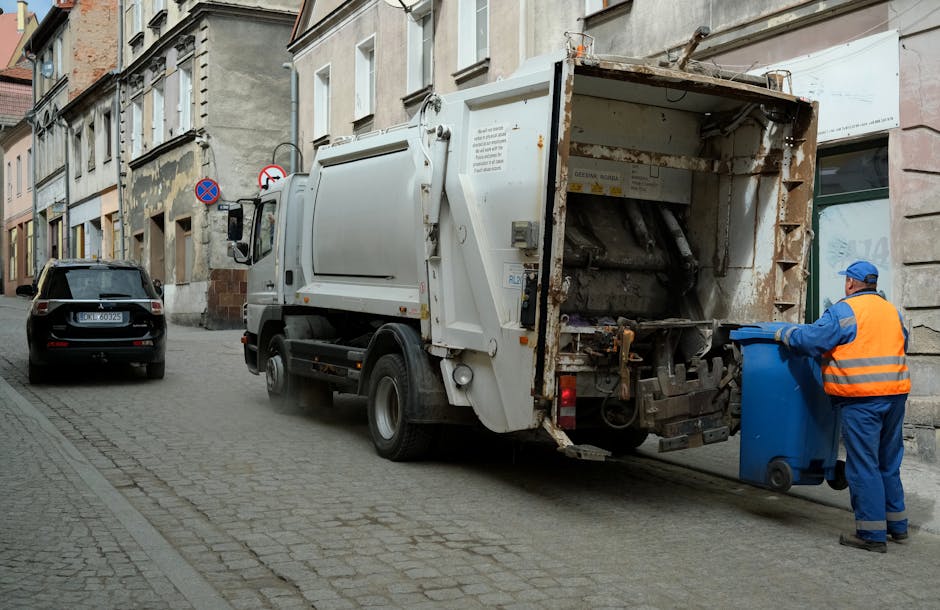
Rubbish removal tips for flats on Brockley Rise Southeast London
If you live in a flat on Brockley Rise, you already know the little logistics can be the hardest part of getting rid of unwanted stuff. A bulky chair has to turn a tight corner. Black bags somehow multiply. The lift is tiny, the stairs are awkward, and nobody wants rubbish sitting in the hallway for long. That is exactly why rubbish removal tips for flats on Brockley Rise Southeast London need to be practical, not theoretical.
This guide breaks down how to handle rubbish removal in a flat the sensible way: what to sort first, how to avoid common mistakes, when a DIY trip to the tip is worth it, and when a professional service simply makes life easier. It is written for real flat living, not some perfect showroom version of it.
Table of Contents
- Why rubbish removal matters in Brockley Rise flats
- How flat rubbish removal works
- Key benefits and practical advantages
- Who this is for and when it makes sense
- Step-by-step guidance
- Expert tips for better results
- Common mistakes to avoid
- Tools, resources and recommendations
- Law, compliance and best practice
- Options, methods and comparison
- Case study or real-world example
- Practical checklist
- Conclusion
- Frequently asked questions
Why Rubbish removal tips for flats on Brockley Rise Southeast London Matters
Flat rubbish removal is a different beast from clearing a house. In a flat, every item has to pass shared spaces, and that means you are dealing with neighbours, stairwells, entrances, parking, and time. One awkward sofa can block a corridor. One overfilled bin bag can create a smell before you even make it downstairs. Not ideal.
On Brockley Rise, many residents are balancing busy routines, limited storage, and a very normal London problem: there is never quite enough room for anything you do not use every week. So when rubbish starts building up, it can feel like the flat shrinks overnight. Truth be told, that is when people usually search for the fastest, least stressful route.
The value of good rubbish removal tips is not just tidiness. It is about reducing friction. Less lifting. Fewer trips. Less risk of damage to walls, lifts, or furniture. And less chance of an item getting stranded in the hallway because you underestimated how heavy it was. We have all seen that moment where a "quick clear-out" turns into a long afternoon and a mild argument. Nobody wants that.
It also matters because flats often create extra waste types at the same time: old furniture, packaging, broken appliances, loft or storage clutter, or post-renovation debris. If you handle those in one tidy plan, the whole job becomes much easier.
How Rubbish removal tips for flats on Brockley Rise Southeast London Works
At its simplest, flat rubbish removal follows a clear sequence: identify what is going, separate what can be reused or recycled, package it safely, move it out without damaging common areas, and dispose of it through the right route. Sounds simple. In practice, the details matter.
For a flat on Brockley Rise, the process usually starts with a sort-and-stack stage. You decide what is bin waste, what is recyclable, what is bulky, and what needs specialist handling. Then you think about access. Can the item fit through the doorway? Will it scrape the banister? Is there a lift, and if so, is it wide enough? Small questions, big consequences.
If you are clearing a few bags, it may be enough to schedule disposal around normal collection times or take sorted waste yourself. But once the job includes a mattress, wardrobe, sofa, broken desk, or mixed clutter, a proper flat clearance or rubbish removal approach usually saves time and hassle. That is especially true when the lift is unreliable or the stairwell is narrow enough to make every box feel like a puzzle.
Professional teams tend to work by loading, sorting, and removing the waste in one visit, which is often the key difference between "eventually dealt with" and "done before lunch."
Key Benefits and Practical Advantages
Good rubbish removal in flats is not just about removing stuff. It improves how the flat feels and how you use it day to day.
- More usable space: Once the clutter is gone, the flat feels calmer and easier to clean.
- Less fire and trip risk: Hallways, cupboards, and entry points should not become storage zones.
- Cleaner shared areas: Quick, organised removal reduces the chance of rubbish sitting in communal spaces.
- Less stress: When removal is planned properly, the job stops hanging over you.
- Better handling of bulky items: Larger items such as a wardrobe or sofa are much easier to manage with the right method.
There is also a quieter benefit: the flat simply feels more livable. You notice it the next morning. The corner by the window looks open again. The hallway smells fresher. The place breathes a bit. That sounds dramatic, maybe, but anyone who has lived in a small London flat knows exactly what I mean.
And if the waste includes mixed items, choosing the right disposal route matters. Services such as waste removal, waste collection, and waste clearance are useful when you want the job handled in a tidy, planned way rather than via multiple frustrating trips.
Who This Is For and When It Makes Sense
This kind of advice is useful for a lot of people, not just those in the middle of a huge clear-out.
- Tenants moving out: You may need to clear cupboards, old furniture, packaging, and random odds and ends quickly.
- Landlords and agents: End-of-tenancy flats often need a fast reset between occupiers.
- Homeowners in apartment blocks: Even a well-kept flat can suddenly need extra clearance after a refurb or storage purge.
- People downsizing: Smaller homes need sharper decisions about what stays and what goes.
- Anyone with bulky waste: Sofas, beds, cabinets, and broken appliances are awkward in flats.
It also makes sense after small renovation work, especially if you have leftover packaging, old skirting, broken shelves, or broken furniture. For that sort of mixed load, builders waste support can be the cleaner option than leaving bags outside and hoping for the best. Let's face it, hoping is not a plan.
If the job is bigger than a few items and you want the flat cleared in one go, home clearance or house clearance style services may still be relevant, even for a flat, because they handle the same practical problem: how to empty a property without chaos.
Step-by-Step Guidance
Here is the most practical way to approach rubbish removal in a Brockley Rise flat. Keep it simple and do not overthink the first pass.
- Walk through the flat with two bags or boxes. One for keep, one for remove. If you want a third, make it recycle.
- Separate bulky items early. A sofa, bed base, or desk changes the whole plan, so identify those first.
- Check access points. Measure doorways, note tight stair turns, and think about whether the lift is actually usable. Sometimes the lift is there. Sometimes it is there in theory.
- Bag lighter waste by room. Keep kitchen waste, paper, textiles, and general clutter grouped so loading is faster.
- Strip down items where possible. Remove cushions, shelves, drawers, and loose parts before moving anything.
- Protect communal areas. Use blankets, cardboard, or careful carrying to avoid scratches and complaints.
- Decide the disposal route. Small loads may suit collection; larger or mixed loads may need full removal support.
- Finish with a final sweep. Check corners, under beds, behind doors, and in cupboards. That last sweep always finds one more cable, somehow.
If the item is a sofa, mattress, or old armchair, it may be better to book a specialist removal rather than wrestle it down stairs. The right option depends on size, access, and how much time you want to spend negotiating the building rather than clearing it. A dedicated sofa removal service can be a smart choice for exactly that reason.
Expert Tips for Better Results
After enough flat clearances, a pattern appears. The people who have the easiest experience usually do a few things the same way every time.
Tip 1: Start with the hardest item. If the sofa won't fit through the hall, know that before you remove twenty smaller bags. It changes the plan right away.
Tip 2: Book around neighbours, not just your own schedule. Late-night dragging, repeated door banging, and multiple trips through a communal entrance are a quick way to annoy the whole building. Mid-morning is often calmer.
Tip 3: Use consistent boxes or bags for loose waste. Mixed shapes slow everything down. One neat stack is better than a pile of mystery bags with loose bits escaping everywhere.
Tip 4: Keep valuables and documents separate. It sounds obvious until you find a utility folder in the wrong pile. So, keep passports, paperwork, keys, and chargers in one safe place before the clear-out begins.
Tip 5: Think in zones. Kitchen first, then bedroom, then living area. It stops the flat from becoming a half-cleared maze.
Tip 6: Do not ignore odours or damp waste. If something has been sitting too long, handle it quickly and carefully. Air the room, open windows, and seal the waste properly.
One more thing: if you are clearing after decorating or repairing a flat, material offcuts and packaging can look harmless, but they pile up fast. In those cases, a managed route like rubbish collection can stop the job from dragging on for days.
Common Mistakes to Avoid
Most wasted time comes from a handful of avoidable mistakes. The good news is, they are easy to spot once you know what to look for.
- Leaving sorting until the end: You end up moving the same item twice, which is the opposite of efficient.
- Underestimating bulky furniture: A wardrobe that looks manageable in the room can become a nightmare in the corridor.
- Forgetting communal access rules: Shared entrances and hallways need care, especially in managed blocks.
- Mixing reusable items with rubbish: If something still has life in it, keep it separate. It makes disposal and donation decisions easier.
- Using the wrong collection route: Not all waste belongs in household bins, and not all rubbish is worth multiple DIY trips.
- Not checking the weather: Rain turns cardboard soft and bags messy very quickly. London weather likes a bit of sabotage now and then.
The biggest one? Trying to do a large flat clearance in one unplanned burst. It sounds efficient, but in reality, it usually means pauses, clutter, sore arms, and a trail of frustration. Better to think it through before you start.
Tools, Resources and Recommendations
You do not need specialist equipment for every job, but a few basics make a massive difference.
- Sturdy bags and boxes: Use strong containers that will not split halfway down the stairs.
- Work gloves: Useful for sharp edges, dusty items, and anything that has been tucked away too long.
- Tape and labels: Great for marking keep, donate, recycle, and remove.
- Furniture sliders or a sack truck: Helpful where access allows and the item is safe to move that way.
- Protective blankets: Handy for door frames, corners, and delicate finishes in communal areas.
For the disposal side, it helps to understand the service types available. For instance, rubbish clearance is often a good fit when you have a mixed small-to-medium load. waste disposal is more about the end destination and handling, while rubbish collection focuses on pickup convenience. The terms overlap a bit in everyday speech, but the practical difference is often in how much is being moved and how quickly you need it gone.
If you are unsure, that usually means you need the simpler option, not the more complicated one.
Law, Compliance, Standards, or Best Practice
For rubbish removal in flats, the safest approach is to follow normal UK waste expectations and the rules of your building. You do not need to become a legal expert, but you do need to avoid creating a mess for other people or handing waste to someone who cannot legally deal with it.
As best practice, use a waste carrier or removal service that can handle your rubbish appropriately, especially if the load includes bulky, mixed, or business-related material. If a provider cannot explain how the waste will be collected, moved, and disposed of, that is a red flag. Not a huge one maybe, but enough to pay attention.
In flats, building management rules also matter. That may include lift booking, restricted moving hours, use of service entrances, or rules about leaving items in communal spaces. These are not just admin details. They affect neighbours, safety, and whether the job can be completed smoothly.
For waste that may be classed as commercial or office-related, it is worth using the right service route such as business waste or office clearance where appropriate. That keeps the disposal process aligned with the type of waste you actually have.
And if you are dealing with mixed household waste, furniture, or old fittings, a sensible rule is simple: keep items separated where possible, store them safely, and do not leave them in a shared area longer than needed. Best practice is usually common sense, honestly.
Options, Methods, or Comparison Table
Here is a straightforward comparison of the most common ways to deal with rubbish from a flat on Brockley Rise.
| Method | Best for | Pros | Things to watch |
|---|---|---|---|
| Self-carry to disposal point | Small, light loads | Simple for a few items; full control | Time-consuming, awkward for bulky waste, multiple trips |
| Scheduled rubbish collection | Mixed household waste | Convenient; less lifting in some cases | May not suit bulky or awkward items |
| Full rubbish removal service | Large or mixed loads | Fast, tidy, less stress on stairs and in communal areas | Needs access planning and clear item lists |
| Specialist bulky item removal | Sofas, beds, wardrobes | Better handling of heavy or awkward furniture | Measure access first; separate add-on items if any |
The right choice depends on quantity, access, and urgency. If the flat is small, the lift is tiny, and the item is awkward, the professional option often becomes the sensible one very quickly.
Case Study or Real-World Example
A typical Brockley Rise scenario looks something like this. A tenant is moving out of a one-bedroom flat after three years. There is a stained sofa, two broken chairs, a handful of cardboard boxes, a bedside table, and a cupboard full of odd items that never really found a home. Nothing dramatic on its own. Put together, though, it is a proper job.
The easiest approach is to sort the flat by zone, pull out valuables first, then separate the large items from the loose waste. In this kind of job, the sofa decides the rest of the plan. If it fits through the hallway, great. If not, you need a different route. No point pretending otherwise.
In practice, the tenant would often benefit from combining a general waste clearance with a specialist item like furniture disposal. That means the smaller clutter goes one way, and the bulky pieces are removed safely without trying to force them into bin bags or communal storage. The result is usually a cleaner handover and a less stressful moving day.
A small detail makes a big difference here: once the big items are identified early, the rest of the flat clears faster. You stop dodging objects and start making progress. It is a surprisingly good feeling. One less thing rattling around in your head.
Practical Checklist
Use this checklist before you start. It keeps the job tidy and prevents a lot of last-minute scrambling.
- Sort waste into keep, remove, recycle, and donate if needed.
- Measure any bulky items against doorways and stair turns.
- Check lift access or booking requirements in advance.
- Keep passports, keys, paperwork, and valuables in one safe place.
- Bag light waste securely and label anything confusing.
- Separate sofas, mattresses, and other large furniture early.
- Protect hallways and communal surfaces before moving items out.
- Arrange the right disposal method for the load size.
- Do a final sweep of cupboards, under beds, and behind doors.
- Leave the flat and shared areas clean when you finish.
If you are dealing with a full property reset, you may also want to look at broader services such as flat clearance and, where relevant, waste removal to make the whole thing feel less fragmented.
Get a free quote today and see how much you can save.
Conclusion
Rubbish removal from a flat on Brockley Rise does not need to become a weekend-eating ordeal. The trick is to plan for the realities of flat living: narrow access, shared spaces, bulky items, and not much room for error. Sort first, move carefully, and choose the right removal route for the amount and type of waste you have.
If you do that, the whole job becomes calmer. Less faffing, less back-and-forth, less chance of ending up with a half-cleared flat and a sore back. And honestly, that is what most people want: a clear, quiet finish and a space that feels manageable again.
Take it one section at a time, keep the plan simple, and do not be afraid to ask for help when the item list gets unwieldy. The flat will feel better for it, and so will you.
Frequently Asked Questions
What is the best way to remove rubbish from a flat on Brockley Rise?
The best way depends on volume and access. Small loads can be bagged and taken out in stages, while bulky or mixed waste is usually easier with a dedicated rubbish removal or flat clearance service.
How do I deal with bulky furniture in a flat?
Measure doorways and stair turns first, remove loose parts, and protect shared areas. If the item is heavy or awkward, specialist furniture disposal or sofa removal is usually the safer option.
Can I leave rubbish in the communal hallway while I sort it?
It is best not to. Shared corridors can create safety issues and upset neighbours. Keep items inside your flat until they are ready to move out.
Is it better to use rubbish collection or waste removal?
For smaller, straightforward loads, rubbish collection may be enough. For larger, mixed, or awkward waste, waste removal often gives a cleaner and more complete solution.
What should I separate before a flat clearance?
Keep valuables, documents, recycling, furniture, and general waste separate where possible. It speeds up the job and reduces the chance of losing important items.
How do I know if I need a full flat clearance?
If multiple rooms are involved, if there is bulky furniture, or if you are preparing for a move-out, a full flat clearance is often the most efficient choice.
What if my flat has builders' waste after repairs?
Leftover plaster, packaging, offcuts, and broken fittings should be handled separately from ordinary household rubbish. Builders waste support is usually the cleaner fit.
Can I put everything in black bags and be done with it?
Not always. Some items are too bulky, too heavy, or unsuitable for normal bagging. Overstuffed bags are also more likely to split, which creates more work later.
How can I make rubbish removal faster in a small flat?
Sort early, keep routes clear, use consistent bags or boxes, and deal with the largest item first. Once the awkward piece is gone, the rest usually moves much faster.
What should I do with old furniture I do not want anymore?
Old furniture is best kept separate and handled through furniture disposal or bulky item removal. That is especially useful when items will not fit neatly into standard waste bags.
Are there compliance issues I should think about in flats?
Yes. Building access rules, shared-space etiquette, and proper waste handling matter. If waste is commercial or office-related, use the appropriate service route rather than treating it like ordinary household rubbish.
When is the right time to book rubbish removal?
Book it once you know what is going and whether there are bulky items. If you wait until the flat is full of bags and boxes, the process gets harder than it needs to be.
For a calm, well-planned clear-out, it usually pays to act before the clutter starts leaking into every room. Little by little, that makes a big difference.